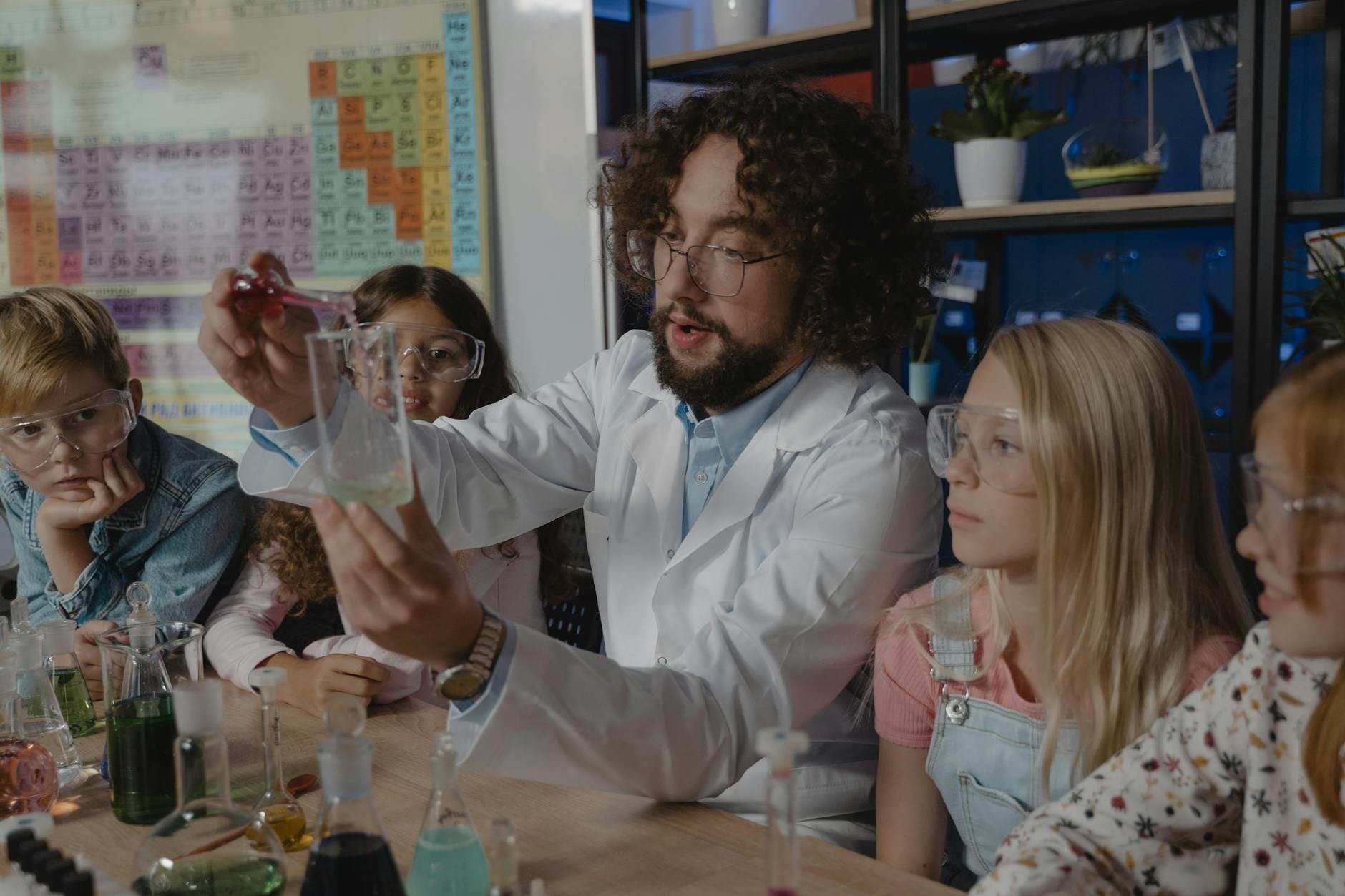
The Science of Clean: Understanding How Cleaning Chemicals Work
Ever wondered what actually makes a cleaning product work? It's not magic — it's chemistry. Cleaning products are formulated to tackle specific kinds of dirt and grime, and understanding the basics helps explain why the right product makes such a difference.
The pH Scale: The Foundation of Cleaning
The pH scale runs from 0 to 14, and it's a key piece of the puzzle. Different types of soil break down best at different pH levels.
- Alkaline Cleaners (pH above 7): These are great at breaking down organic, greasy soils like fats and cooking oils. That's why most degreasers and oven cleaners are alkaline.
- Acidic Cleaners (pH below 7): These tackle mineral-based buildup such as rust stains, soap scum, and hard-water deposits.
- Neutral Cleaners (around pH 7): These are mild, all-purpose cleaners that are gentle on most surfaces, including delicate ones like sealed hardwood floors.
Surfactants: Lifting Dirt Away
Surfactants are the workhorses of most cleaning products. Their molecules are drawn to both water and oil, which lets them surround grease and dirt particles, lift them off the surface, and hold them in the water so they rinse or wipe away cleanly.
Knowing this science is exactly how we choose the right product for each job — cleaning effectively without risking damage to your surfaces. It's part of what sets a professional clean apart from a quick wipe-down. Curious what the right approach looks like for your home? Request a free quote and we'll be happy to help.
Need Professional Cleaning?
Let us handle the mess so you can focus on what matters most.
Get a Free Quote